This interview was originally published in the Roborant Review on November 2, 2026
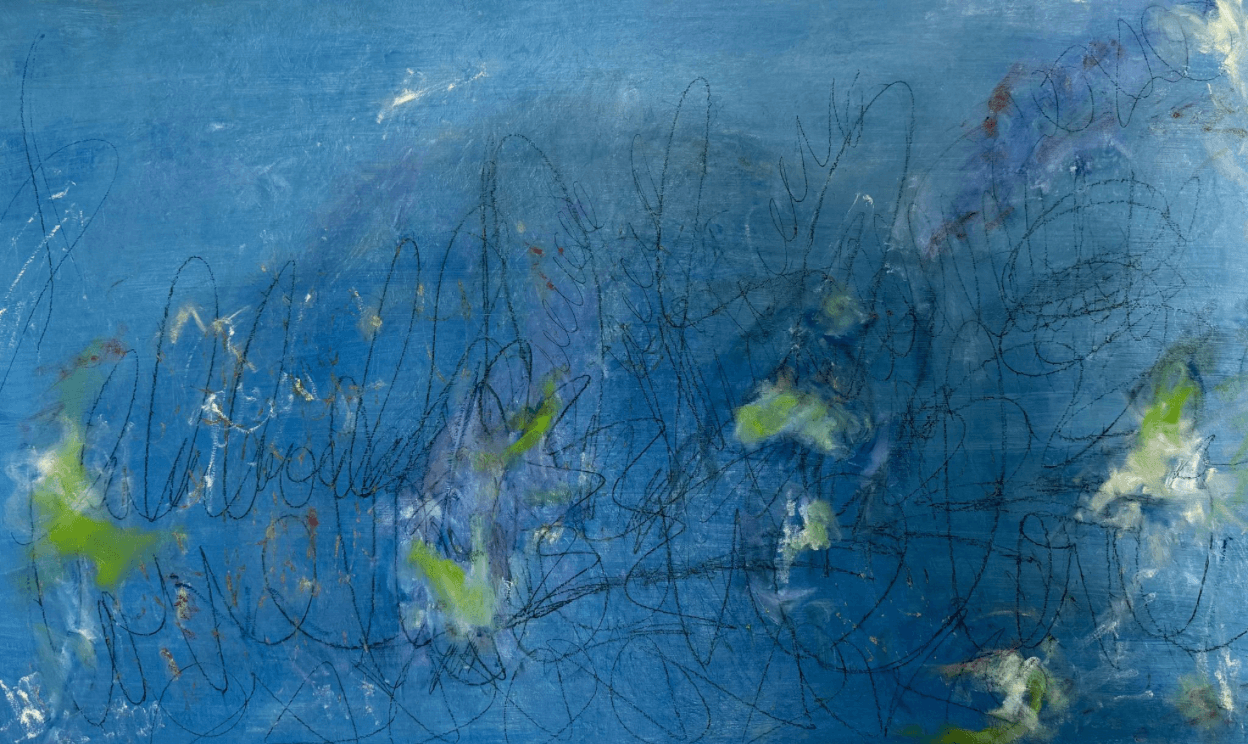
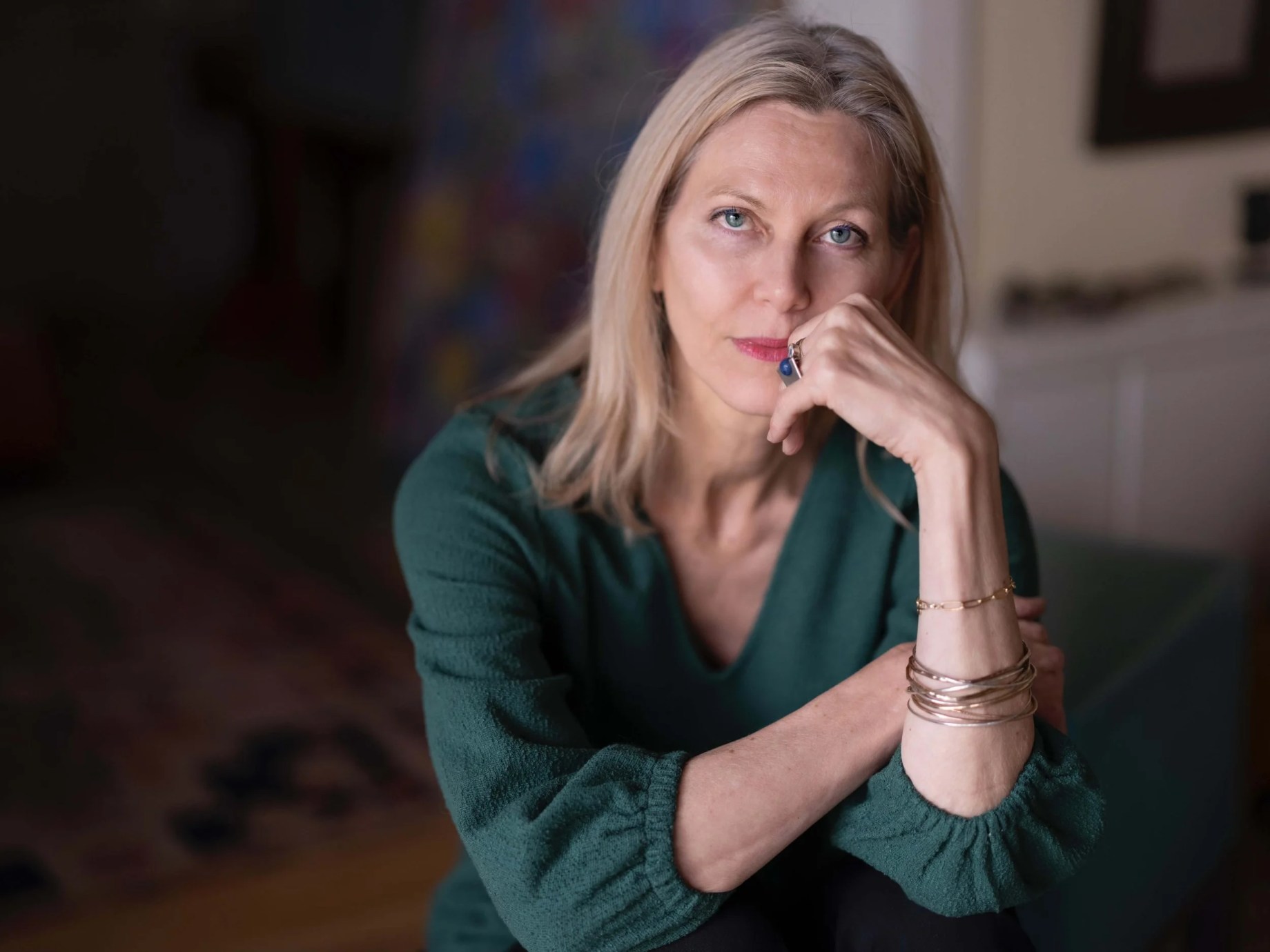
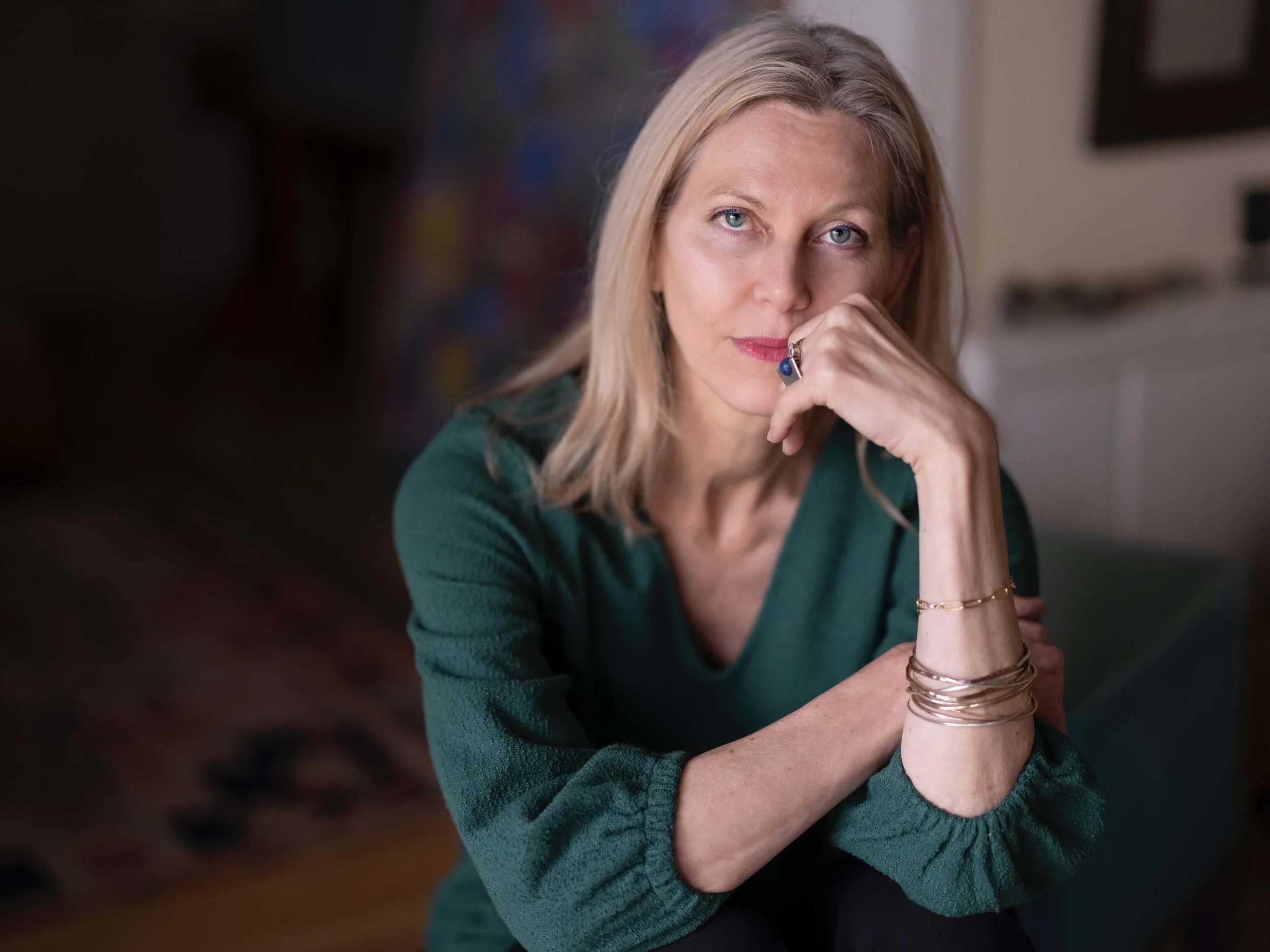
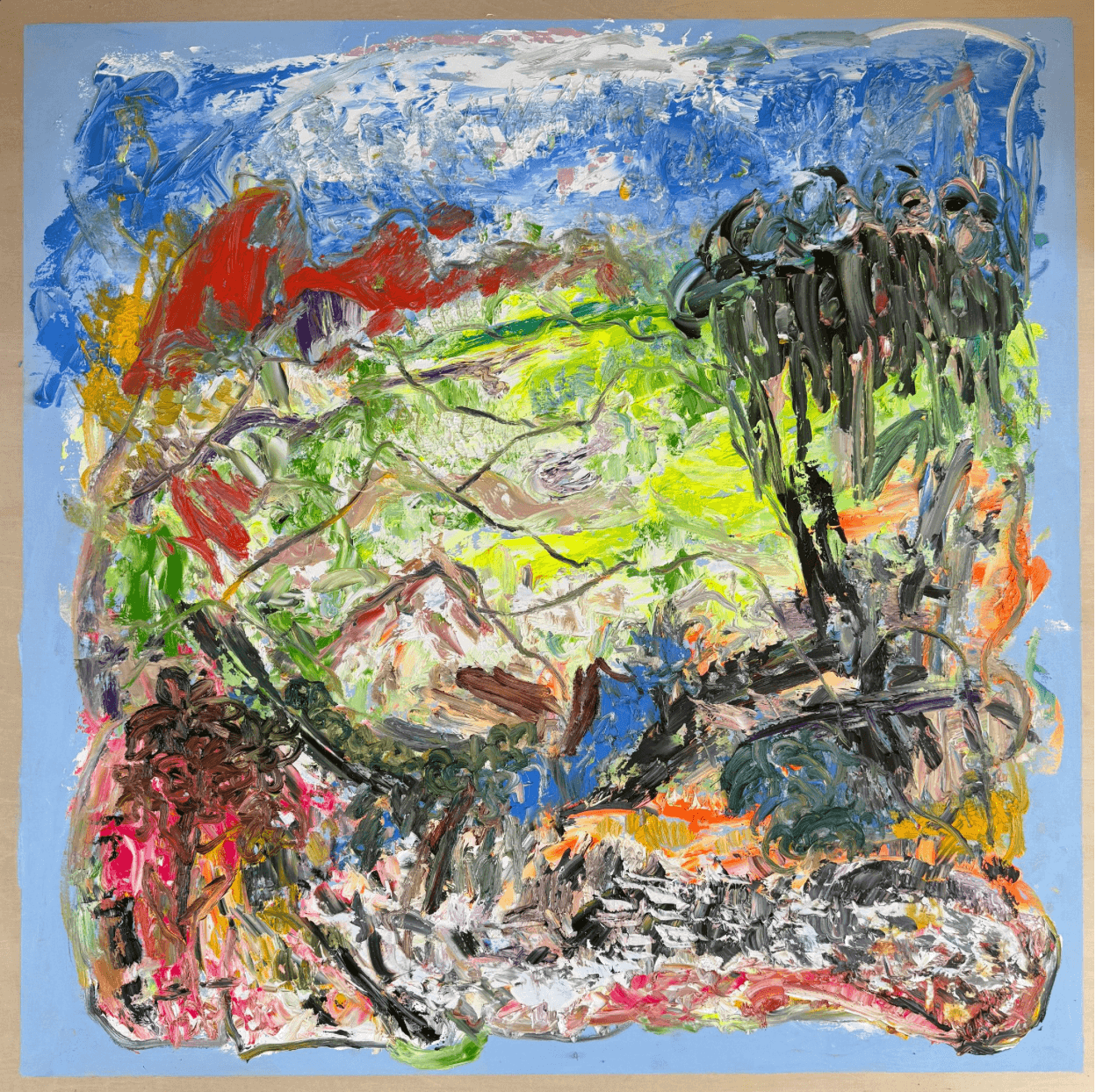
Tamsin Spencer Smith is a San Francisco–based painter, poet, and essayist. Her expressive paintings explore the space between abstraction and figuration through gestural forms and intuitive compositions.
Thanks for agreeing to this interview. We’re delighted to learn more about your practice. Can you start by describing your work and specifically what you’re working on now? Do you have a preferred medium? Subject matter?
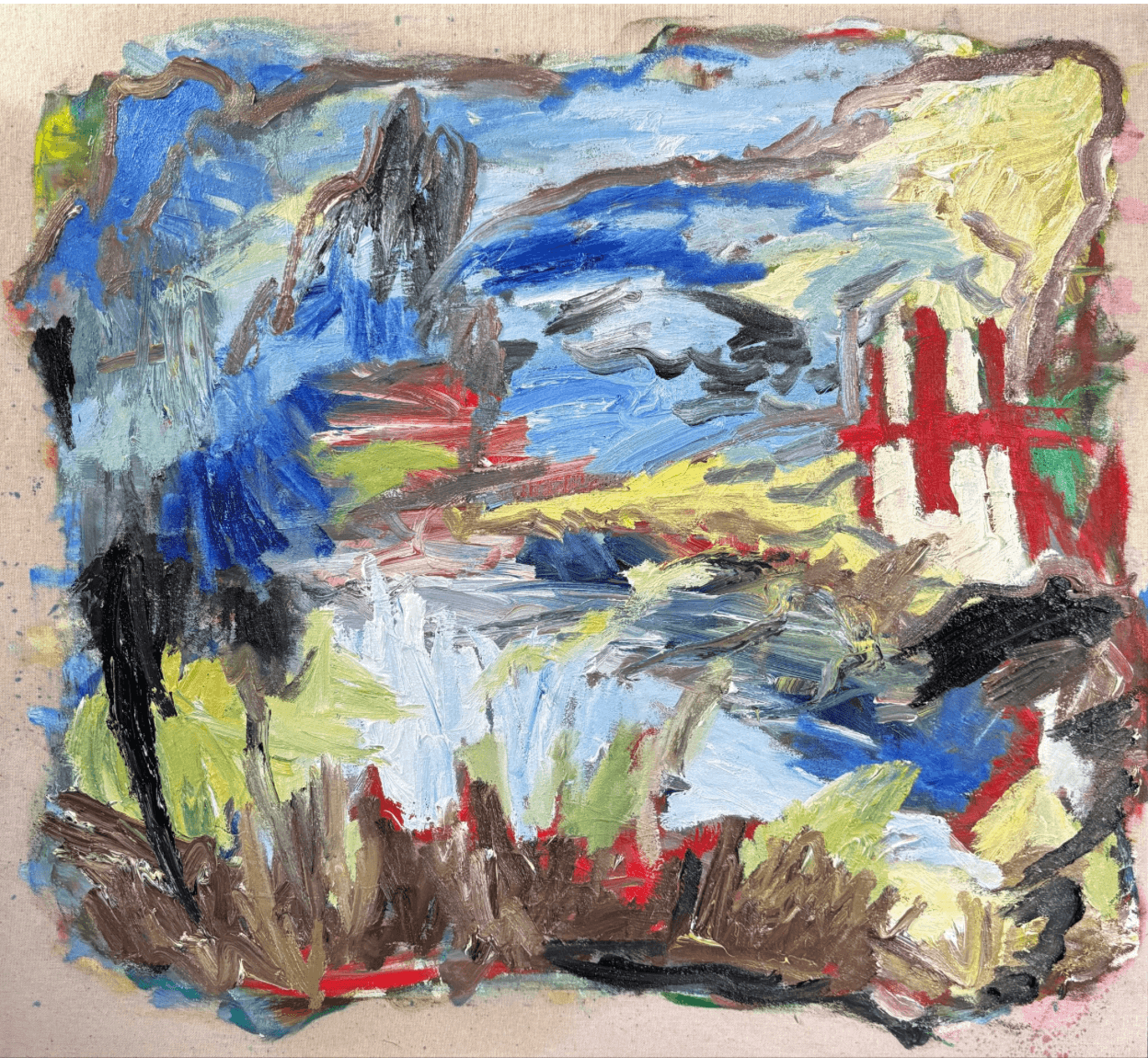
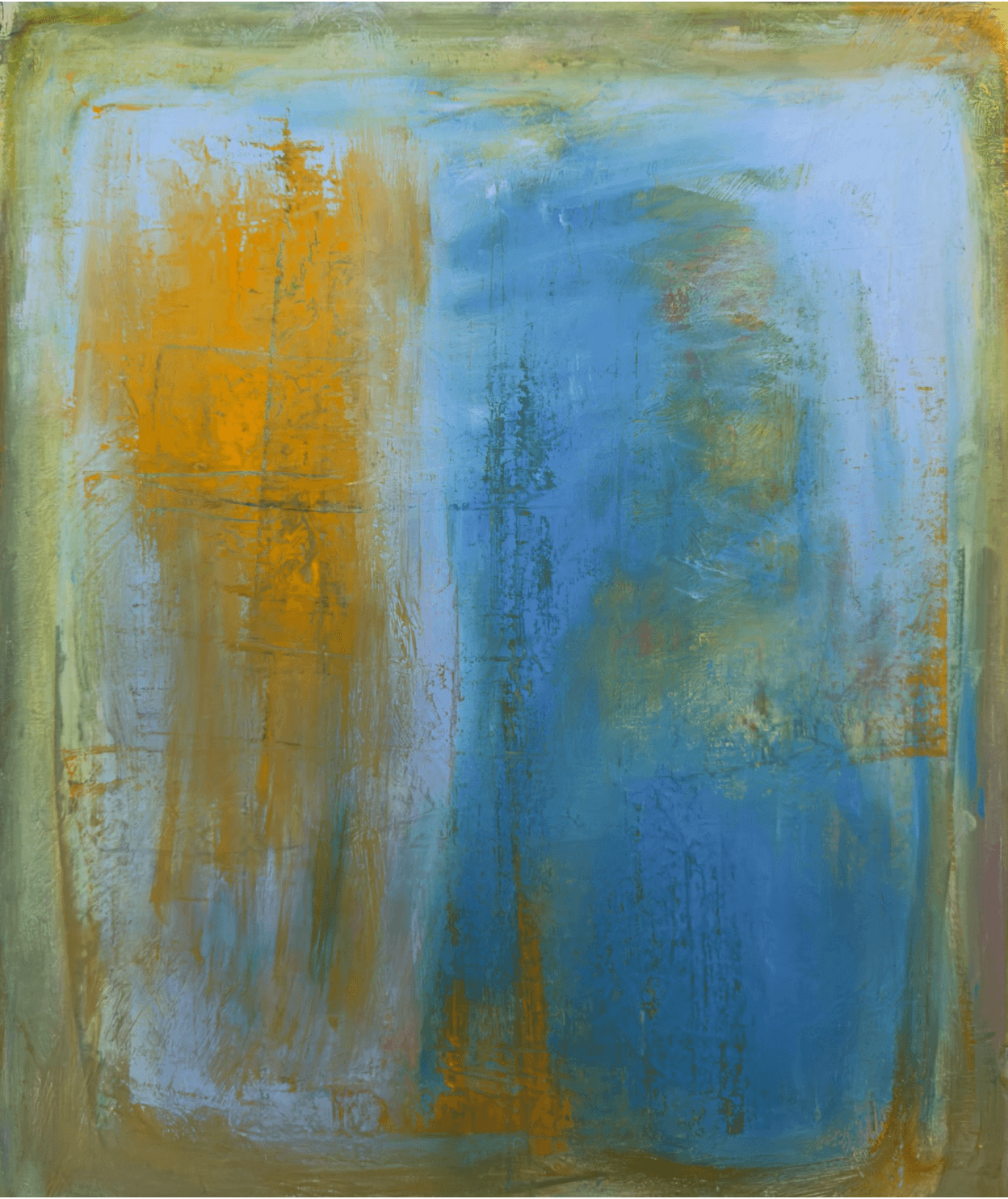
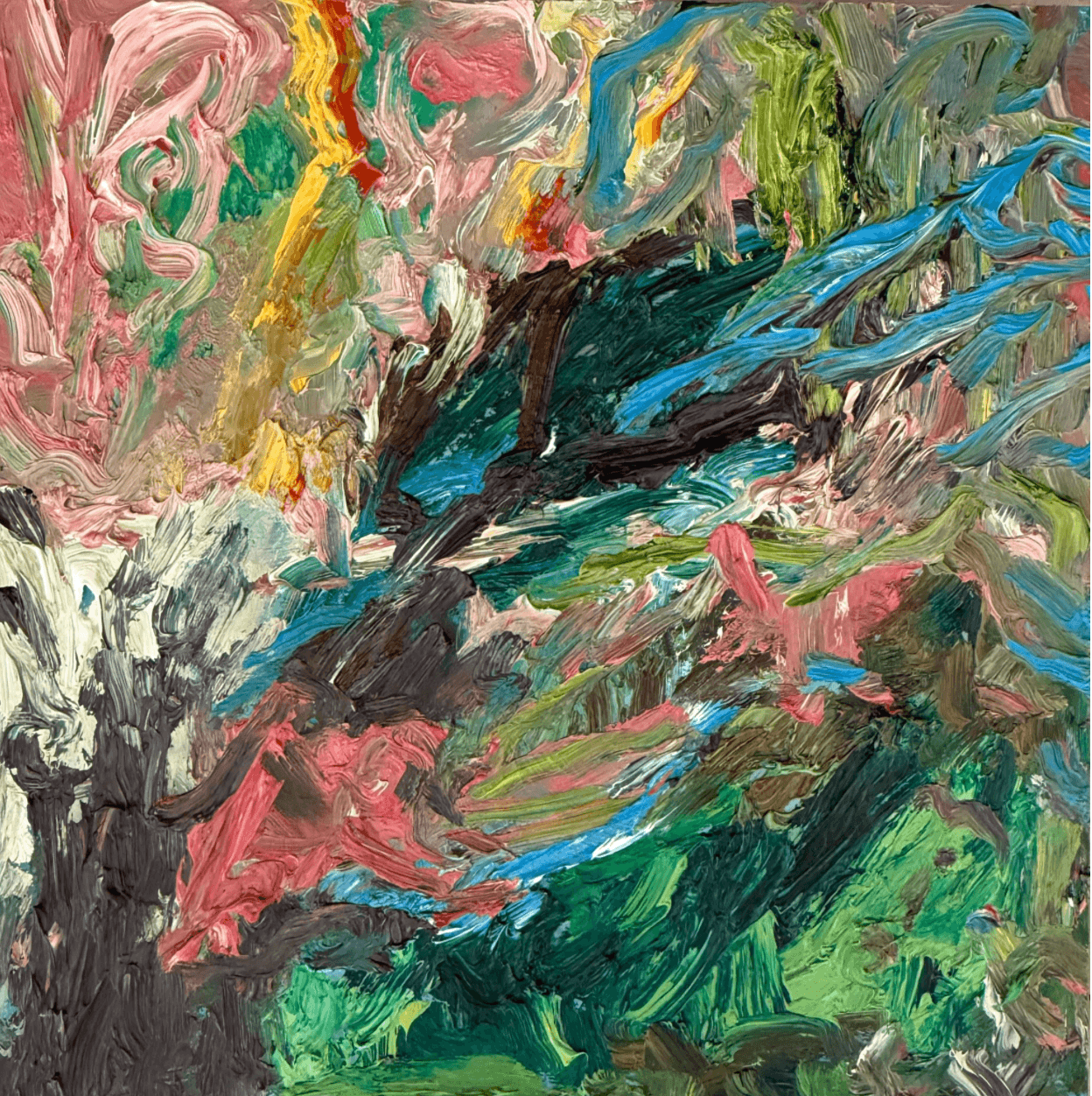
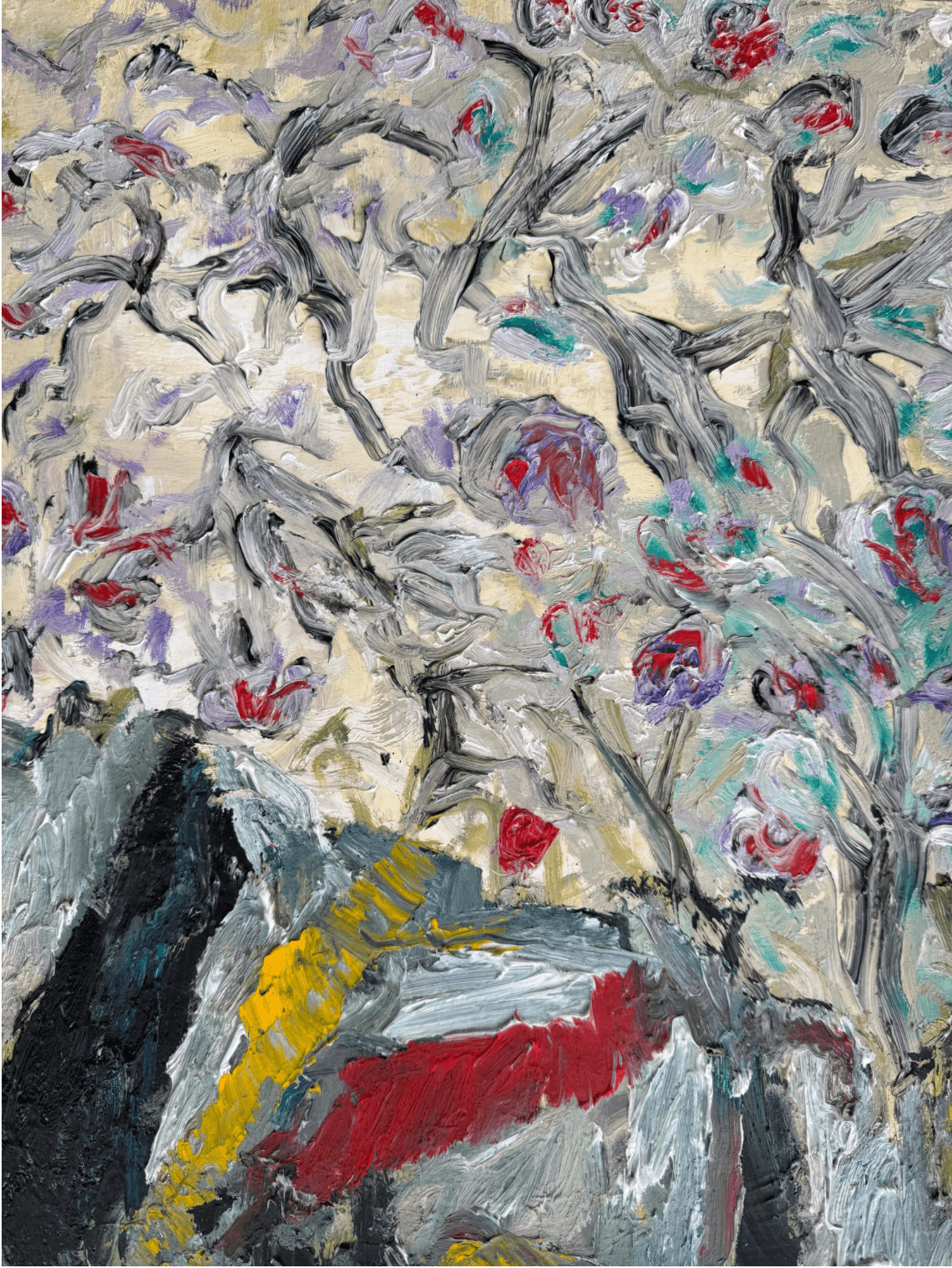
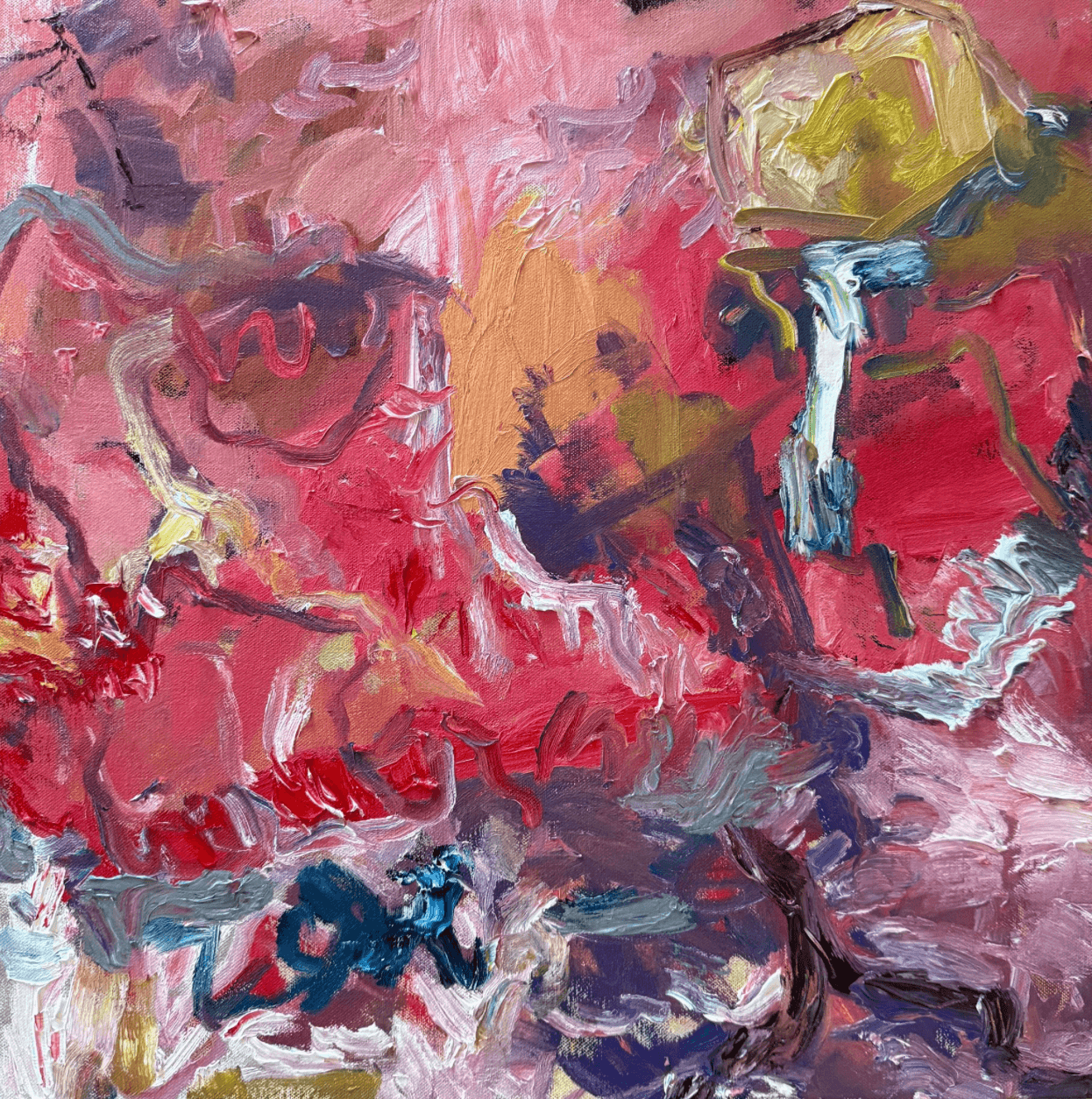
Oil is my Play-Doh. It’s so mutable and expansive; it lets me be untethered from outcomes, whereas acrylic is my go-to medium when I have a specific scene or subject to render. One of my best artist friends just challenged me to return to still lifes in oil, so over the next few months I plan to set the abstract work aside to compose a new series of interior vignettes in oil.
Where can people see your work? Are you in any exhibitions right now or have anything scheduled? Do you welcome studio visits?
I was part of two great group shows in Sonoma County this Fall, so I am back in my studio in Sebastopol, CA now. Visits are always welcome.
Can you share how you became an artist? Did you have an epiphany that compelled you in this direction? Did you have formal training? Did you grow up in a family that valued art and left the door open for you to become an artist?
I was a poet before I picked up a paintbrush. Writing is so in the head and in the ear for me, whereas painting engages the body and the eye. I like how they feed off each other.
What is the most challenging thing about being an artist in San Francisco [OR ANYWHERE]? There’s a lot being said now about the changing landscape of the art scene here. On the one hand there is criticism that City Hall isn’t doing enough to support the arts and some are pointing to the changing landscape of the gallery scene. That perhaps the old model of a brick and mortar gallery that represents artists, with exclusivity agreements, is dying off. Any thoughts?
Community is the center of a healthy culture and a good society. Art fosters people coming together to think beyond the boundaries of their own imaginations. It can be two people sitting on the floor drawing, or a private gallery or public institution serving as a space for people to gather in community to consider how others find their way to expression. When I become enraged about the state of politics or the planet, I remember that to fight evil, one also needs to create more good. Organizing a poetry reading or a painting party may seem like small change, but it’s also an act of world-building.
Have you ever put on exhibitions yourself as a curator or organizer? If you were to put on an exhibition in the future do you have any curatorial ideas you’d like to share? Is there a show you’d really like to see put on?
I was curator in residence at Arion Press, where the focus was dialogue across literature and the visual arts. I’m a fan of cross-pollinating art forms. I’ve always loved the idea of a project that begins with a single prompt to create a chain reaction as it moves from the hand of one artist to another. Maybe it starts with a musician improvising, then a poet responds, then a sculptor, then a painter, then a dancer, then a weaver, then a printmaker, then a short story writer, and then….
Do you think art should make political or social commentary? Does your art do that? Is there a role for the artist to play in challenging political climates? Do you believe art reflects an artist’s diversity such as gender identity, sexual orientation, ethnicity, or race? Are these (or any other diversity consideration) present in the art you make? Why or why not?
To be convincing, I believe art needs to be rooted in the personal but reach for the universal. None of us has the same point of view or life history, but a great work of art can unify the experience of being human. We all feel beauty, anguish, longing, anger, oppression, euphoria, and despair. Art reminds us we are neither unique nor alone; it kindles empathy for others. From my perspective, authenticity is the most important subject matter.
Outside of art-making are there any cultural projects you’re interested in or currently engaged with? Any art adjacent hobbies you enjoy?
I’m co-founder and songwriter for the indie rock band The Strays. We just released our third album GAWD SAVE THE STRAYS. I totally love making and playing music. It’s just another form of storytelling.
Are there any contemporary artists you draw inspiration from? Can you name the artists and say how or why they inspire you? Same thing for historical artists, are there any who speak to you despite their living in a different era?
I was in Spain recently, and it was a joy to see some of the works in the Prado that bowled me over back in high school, particularly the surreal social commentaries of Hieronymus Bosch. The Picasso Museum in Barcelona was also inspiring, principally to be reminded of his constant push to keep exploring. I like work that seems to collapse the past, present, and future into some kind of eternal maybe. Cy Twombly makes me feel like this, as do Joan Mitchell, Frank Auerbach, Henry Moore, and Barbara Hepworth. It’s already impossible to limit the list, so for contemporary artists, I’ll just focus on the Bay Area, which has a culture of generosity and inclusion that sets it apart from more commercial art scenes. Griff Williams and his son Keelan draw the portrait of this spirit so well in their film “Tell Them We Were There”. As to individual artists: Emilio Villalba, Cate White, Ana Teresa Fernandez, Chelsea Wong…so many more…
Do you have a favorite public art piece? What is it and why?
The Natura Nostra Forest was planted in conjunction with London’s Hayward Gallery as part of an international group exhibition: “Dear Earth: Art and Hope in a Time of Crisis”. Composed of 100% native British flora, the forest is now a thriving space of biodiversity restoration and nature reconnection in the heart of the brutalist concrete jungle that is the Southbank Center. It’s incredible to see how quickly this SUGi pocket forest has grown and how much cooler the temperature is next to the forest, compared to just a few steps away, where the heat island effect this summer was particularly nasty. Nature is the ultimate artist.
Can you say something about the art you live with? Whether you bought, found, were gifted, or traded for the piece, what artworks do you live with? How has the experience of having these pieces influenced your own art making?
I couldn’t live without art around me. It’s creative oxygen. The current favorites are a wall sculpture by my friend Joe Szuecs and a painting by Kevin Keaney.
Whose opinion of your work matters most to you?
Artists whose work I admire.
If you suddenly had unlimited money, space, and time to make one work or project, what would you make?
I’d fund and recreate Black Mountain College in every State in the Union, and reopen all the great art schools that have been shuttered.